

How Medical Technology Is Changing Patient Care
For a long time, patient care was defined by a series of snapshots. A doctor would see you for fifteen minutes, check your vitals, and make a decision based on how you felt in that exact moment. If you were lucky, the equipment was sophisticated, but the experience often felt clinical and reactive. People often had to wait for a problem to surface before addressing it. Today, medical technology is fundamentally shifting that dynamic. We are moving away from a world of high-tech machines hidden in hospital basements and toward a reality where technology is a seamless, constant companion in the healing process. This shift makes medicine feel more precise, more accessible, and ultimately more human.
The most visible change is in how we understand what is happening inside our own bodies. In the past, diagnosis was often a waiting game of physical exams and slow lab results. Now, imaging tools like high-definition MRIs and ultrasounds allow us to see the invisible in real time, while advanced lab tech can pinpoint a genetic marker or a chemical imbalance with startling speed. For a patient, this means the agonizing period of uncertainty is shorter and the path to a solution is clearer. It turns a frightening medical mystery into a manageable plan of action, giving people back a sense of control over their own lives.
We are also seeing the walls of the clinic disappear. With the rise of wearables like smartwatches and continuous glucose monitors, your health is no longer just something that gets discussed once every six months. It is a story told in real time. For people living with chronic conditions, this is a revolution in peace of mind. Instead of a doctor seeing one blood pressure reading on a stressful Tuesday morning, they can see a month of data. This allows for a much softer approach to care where treatments can be adjusted based on the reality of your daily life. It helps doctors catch small warning signs before they ever become emergencies.
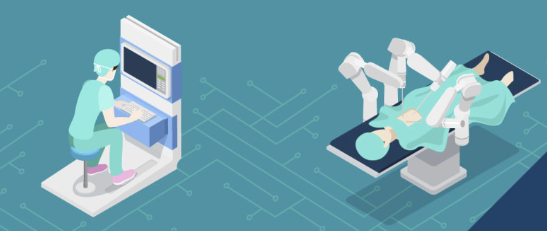
Even the experience of surgery has been transformed from a traumatic event into a focused, precise intervention. Robotic-assisted procedures and minimally invasive techniques mean that surgical operations often involve incisions no larger than a grain of rice. For the patient, this translates to less pain, less time in a hospital bed, and a much faster return to the things they love. This precision is further bolstered by artificial intelligence, which acts as a second set of expert eyes. It helps doctors spot tiny abnormalities on scans that a tired human eye might miss. It is not about replacing the surgeon or the nurse. It is about giving them the tools to ensure every patient gets the best possible outcome.
Of course, the rapid pace of change brings its own set of questions. We have to ensure that these life-saving tools do not create a divide where only the wealthy have access to the best care. We also have to protect the privacy of the very data that makes this care possible. But perhaps the greatest achievement of medical technology is not the hardware itself. It is the way it frees up doctors and nurses to focus on the human side of healing. By automating the data and refining the precision, technology allows healthcare to become what it was always meant to be: a supportive and responsive relationship that follows you home and stays by your side.
MINGHAO WANG
Recent Comments