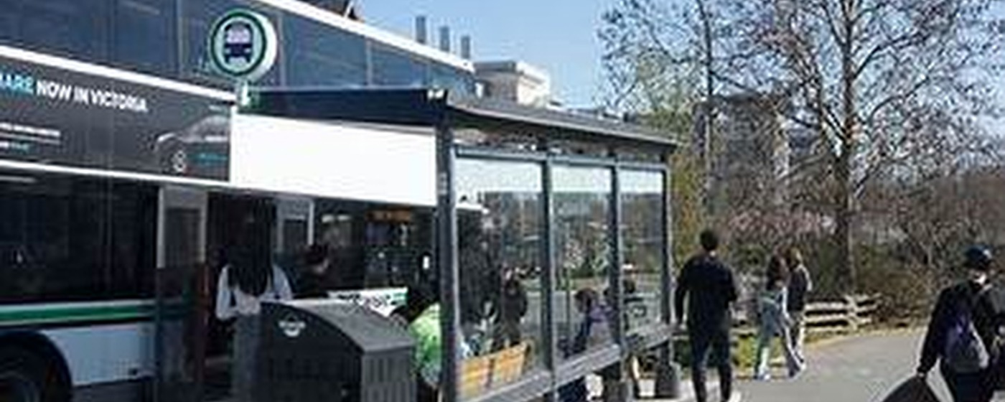
Heat Islands and the Student Walk to Class

On extremely hot days, walking across campus can feel like crossing a parking lot oven. Concrete, asphalt, dark roofs, and traffic trap heat, while shaded areas feel like completely different neighborhoods.
This is called the urban heat island effect, but students experience it in simple ways: sweat before first period, headaches after practice, and classrooms that never cool down. Heat is not only uncomfortable. It can affect concentration, health, and attendance.
The unfair part is that heat is not distributed evenly. Campuses and neighborhoods with fewer trees or older buildings often suffer more. Students without air conditioning at home may arrive already tired.
Schools can plant trees, add shade structures, use cooler materials, adjust outdoor sports schedules, and create cooling spaces. Students can map hot spots and push for changes.
Climate problems can feel huge, but shade is local. Sometimes justice begins with making the walk to class safer.